The true cost of missed calls at a veterinary clinic
By the AnswerPet teamUpdated June 11, 20269 min read
Every clinic knows the phone never stops. What is easy to miss is how many of those calls go unanswered, and what each one quietly costs in lost clients and revenue. This guide lays out the numbers, why voicemail doesn't save you, and the practical ways to answer more calls without burning out your front desk.

The short version
- Clinics miss roughly a quarter to nearly half of incoming calls, mostly at lunch, in the morning rush, and after hours.
- Most callers won't leave a voicemail. They call the next clinic instead.
- A missed new-client call isn't one visit, it's a lifetime of visits for that pet and household.
- You have three real options: more staff, a traditional answering service, or an AI receptionist that finishes the call.
How many calls clinics actually miss
Start with the uncomfortable part. Independent call analyses of veterinary practices find that somewhere between a quarter and nearly half of incoming calls go unanswered, and the misses cluster at predictable times: the morning surge and the lunch hour, when the front desk is stretched thin. Across small businesses generally, Moneypenny's research found that a third of companies failed to answer their incoming calls at all.
These aren't telemarketers. They're pet owners trying to book a sick visit, refill a medication, or ask whether the limp they're worried about needs to be seen today. When the line isn't answered, that intent doesn't wait.
What a single missed call is really worth
It's tempting to value a missed call at the price of one visit. That undercounts it badly. A new client who can't reach you isn't one lost appointment, they're the wellness exams, vaccines, dental cleanings, refills, and sick visits for that pet over its whole life, plus any other animals in the household, plus the friends they would have referred. Pet ownership in the United States sits near record highs, so the household behind each call is more valuable than ever.
Run the arithmetic on your own numbers. If your average booked visit is worth $180 and you miss even ten bookable calls a week, that's roughly $1,800 a week leaving the schedule before you count a single repeat visit. Stretched across a year, phone inefficiency alone can represent six figures of recoverable revenue for one practice. You can put your own figures into the missed-call ROI calculator to see the number for your clinic.
Why voicemail doesn't save the call
The comforting assumption is that a missed call lands in voicemail and you call them back. The data says otherwise. In Moneypenny's Small Business Call Report, 69% of callers who reached voicemail hung up without leaving a message. People treat an unanswered business line as a closed door and move to the next option.
For a clinic, that next option is the practice down the road. Peer-reviewed work in the Canadian Veterinary Journalon handling the first phone call found that how a team fields an inbound call directly shapes whether a “telephone shopper” becomes a client at all. The call is the conversion event. Sending it to voicemail is forfeiting it. That's the gap a veterinary answering service is meant to close, by making sure a real, warm voice picks up instead.
The four moments clinics lose calls
Missed calls aren't random. They concentrate in four predictable moments, and naming them is the first step to covering them.
During exams and the morning rush
Your front desk is restraining a patient or checking in three families at once. The phone rings into an empty chair and the caller moves on.
Over the lunch hour
Coverage thins right when pet owners on their own break try to call. It's one of the two reliable daily spikes in missed calls.
After hours and on weekends
Nights, weekends, and holidays are when worried owners call, and when most clinics have no one on the line at all.
On hold, then gone
Hold a caller for more than about 40 seconds and most simply hang up. A hold queue is a slower way to miss the call.
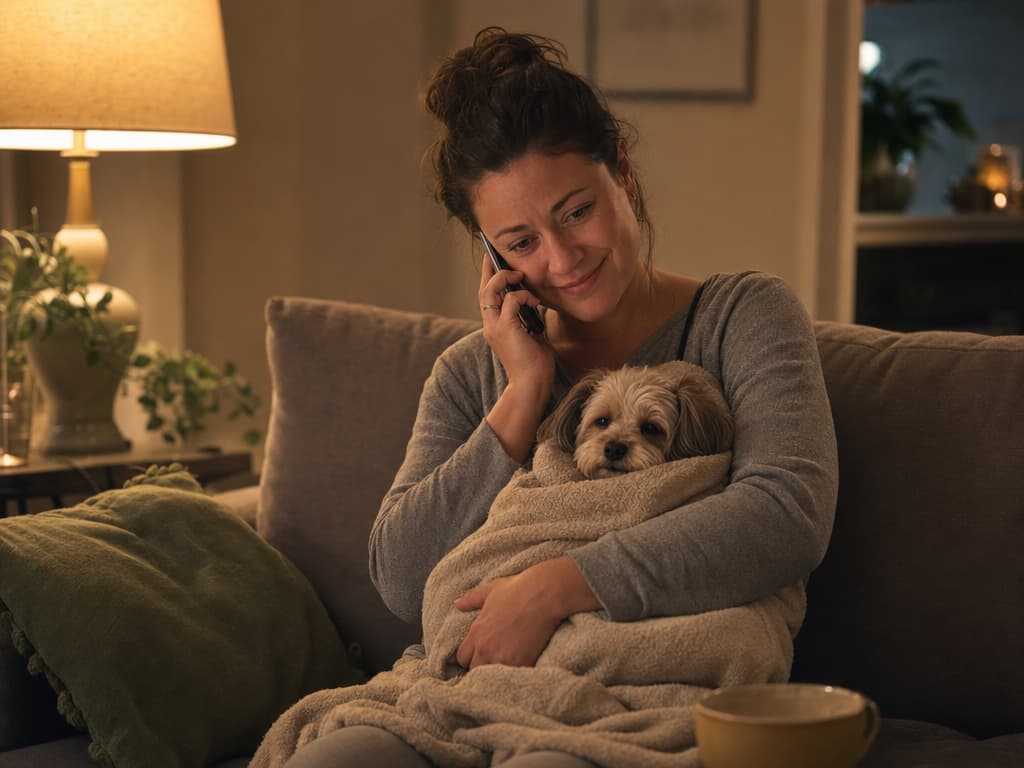
The most expensive misses happen after you close
Nights and weekends are when frightened owners call, and when the line is least likely to be covered. A voicemail greeting at 11pm tells a scared client to try someone else.
How to stop the leak
There are three honest ways to answer more of your calls. None is wrong; they simply trade off cost, coverage, and how much of the call actually gets finished.
1. Hire and schedule more front-desk staff
The most direct fix, and the most expensive. More people means more wages, training, and turnover, and even a full desk still steps away for exams, breaks, and the close of business. It helps at peak hours; it rarely covers nights and weekends.
2. Use a traditional answering service
A call center picks up after hours and takes a message. That stops the call ringing out, but the work still lands back on your team the next morning, and per-minute billing punishes your busiest days. It's message-taking, not booking. See how the models differ in AI receptionist vs answering service.
3. Use an AI receptionist that finishes the call
A purpose-built AI receptionist for veterinary clinics answers on the first ring, every hour of every day. It books and reschedules appointments, takes refill details, and follows a calm triage script that routes genuine emergencies to your on-call veterinarian, all in a warm voice on your clinic's name. Because it's built for veterinary calls rather than a generic script, an AI answering service for vets finishes routine calls instead of parking them, and a flat monthly rate means a busy month never becomes a surprise bill.
The phone call isn't the step before the client. For most new patients, the phone call is the moment you win or lose them.
What good coverage looks like
However you choose to answer your calls, here is the bar worth holding it to. If the approach you're weighing can't check these boxes, it's leaving calls, and clients, on the table.
- Every call answered on the first ring, including nights, weekends, and holidays
- Appointments booked and rescheduled on the call, not just messages taken
- Refill and callback requests captured as clean, actionable notes
- A calm triage path that escalates true emergencies to a person on call
- A warm greeting on your clinic's name, with predictable flat-rate cost
Sources & further reading
Figures in this guide are drawn from the following publicly available research and industry analyses.
- Moneypenny — Small Business Call Report
Survey of 300 micro-businesses plus 10,000 calls: 69% of callers reaching voicemail hang up without leaving a message; a third of businesses fail to answer.
- Canadian Veterinary Journal — Attracting new clients with the first phone call
Peer-reviewed discussion of how handling an inbound call shapes whether a telephone shopper becomes a client (via NIH PubMed Central).
- Peerlogic — How many calls are you missing, and what's it costing your clinic?
Veterinary-specific analysis of unanswered-call rates during peak hours and the recoverable revenue at stake.
- American Veterinary Medical Association — pet population and ownership data
Current U.S. pet ownership figures for context on the size of the household behind each call.